
Homemade Bone Broth
A few months ago, we shared our favorite store-bought bone broths and talked about how powerful a simple cup of broth can be for healing, minerals, and daily nourishment.
And while we still love having a good option on hand…Nothing beats homemade.
Not for flavor. Not for nutrition. Not for cost. Not for that cozy, slow-living feeling of something simmering on the stove all day.
If you’ve ever thought, “I should make my own broth sometime” this is your sign. Because it’s actually easier than you think. And the benefits are next level. Make sure you don’t forget to share this recipe with a friend!
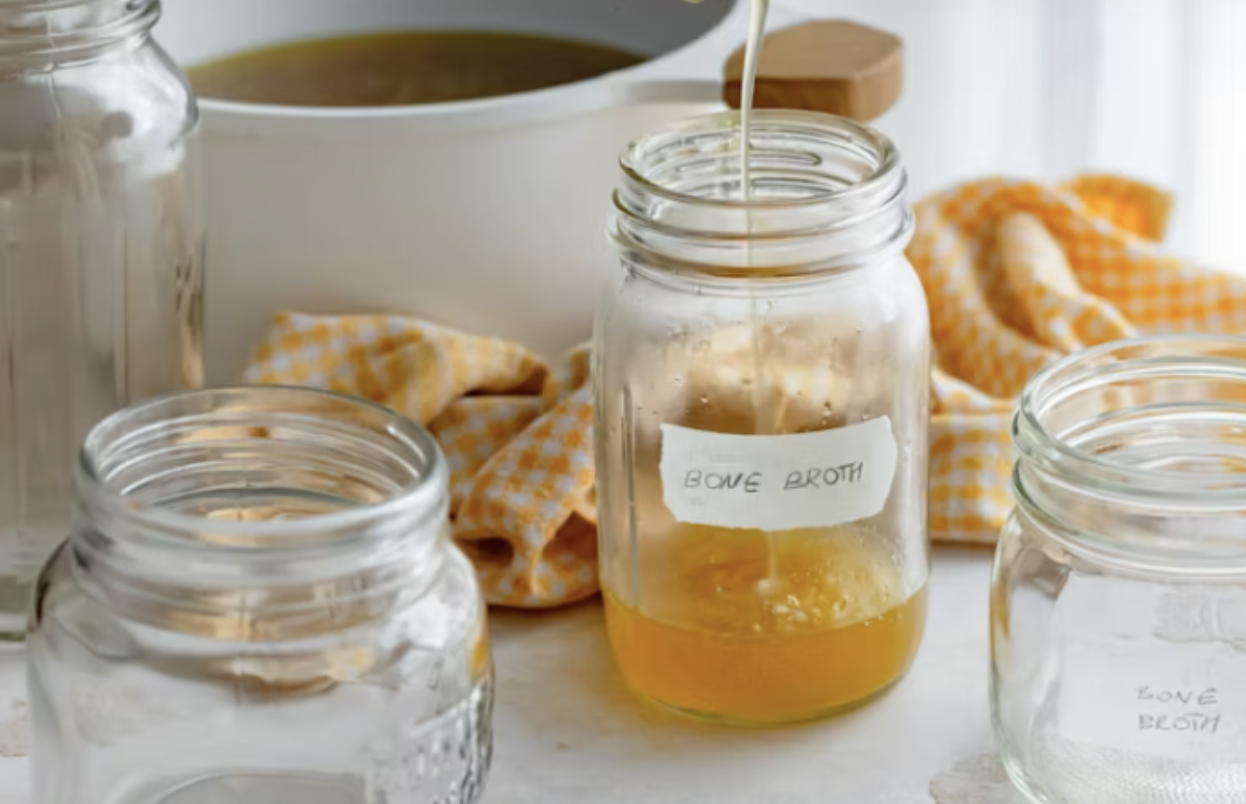
Why Homemade Wins
When you make broth yourself, you control everything:
✔ the bones (grass-fed, pasture-raised, local if possible)
✔ the cook time (long enough to fully extract minerals + collagen)
✔ zero preservatives or fillers
✔ way higher gelatin content
✔ pennies per serving
Store-bought broths are convenient, but most don’t simmer long enough to extract the deep minerals and gelatin that make broth truly therapeutic.
Why We Drink Bone Broth Regularly
Bone broth is one of those old-school, ancestral foods that modern wellness forgot for a while, and now science is catching back up.
Bone Broth Supports:
Gut lining repair
Joint health + connective tissue
Skin, hair, and nails
Immune resilience
Mineral replenishment
Blood sugar stability
Recovery postpartum or during stress
It’s basically nature’s electrolyte drink + protein + comfort food all in one mug, especially in colder months. We try to keep a jar in the fridge at all times.
Our Go-To Homemade Bone Broth Recipe
This is the exact method we use at home. It’s simple, deeply nourishing, and inspired by traditional recipes that have been used for generations. You can swap the beef for bison, venison, or lamb depending on what you have access to, and if you can get a butcher or local farmer to include a calf’s foot: do it. It dramatically boosts the gelatin (and the healing benefits).
Homemade Beef Bone Broth
Pro tip: We often simmer ours outside on a portable burner or in a crockpot because the smell is amazing but strong.
Ingredients
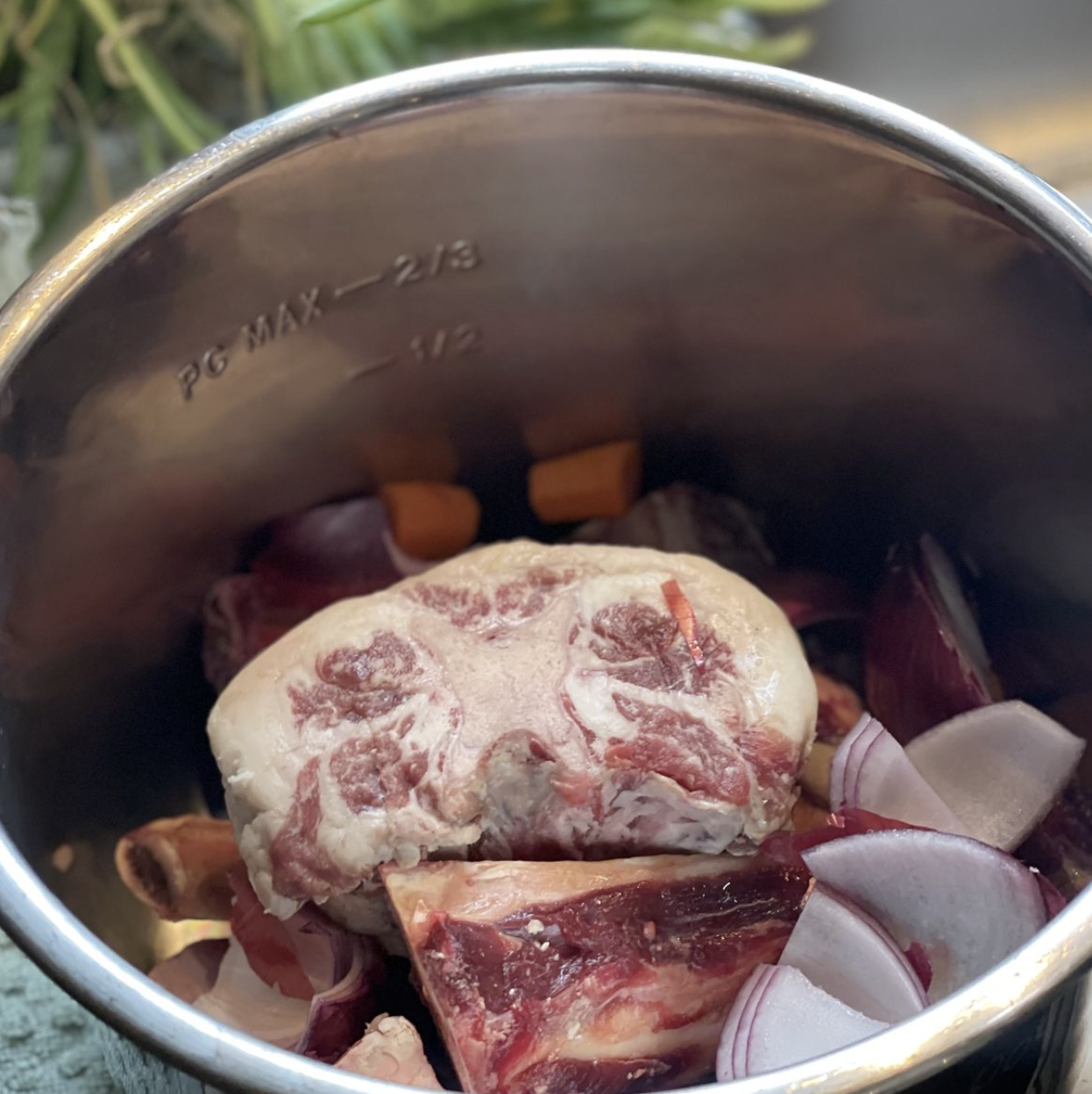
4 lbs beef bones
3 lbs meaty rib bones
3 tablespoons vinegar
2 medium onions, chopped
3 medium carrots, chopped
3 ribs celery, chopped
3 pieces kombu seaweed (optional, for minerals)
1 bunch thyme
1 teaspoon peppercorns
4+ quarts water
½ bunch fresh parsley
Instructions
Place bones and water in a large pot. Water should fully cover the bones.
Add vinegar and let sit for 1 hour (this helps pull minerals from the bones).
Bring to just below a boil, then immediately reduce to a gentle simmer. Skim off any foam.
Add remaining ingredients except parsley.
Cover and simmer 8–24 hours. (Low and slow is key.)
Turn off heat, add parsley, and let cool.
Strain liquid.
Store in the fridge or freeze in small containers.
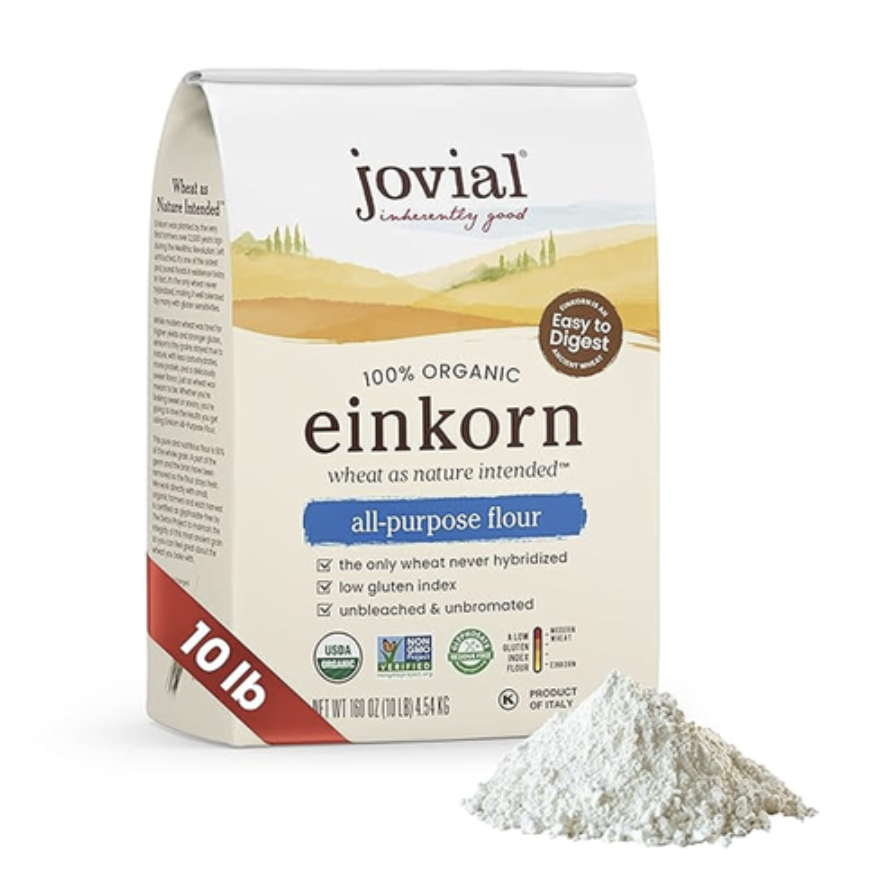
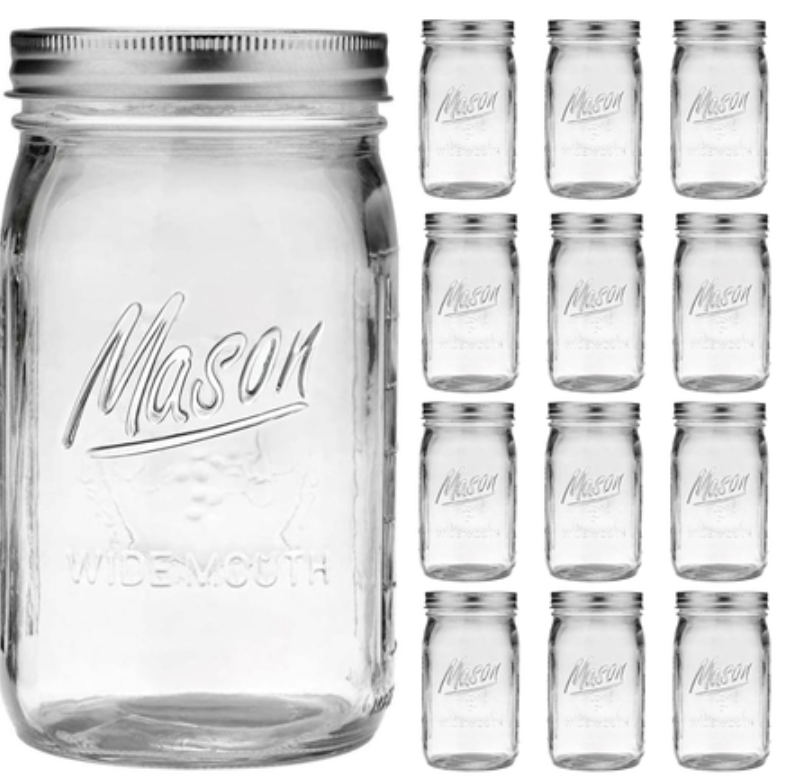
Our Recommendations
How We Use It During the Week
Morning mug with sea salt
Cook rice or potatoes in it
Use as soup base
Add to sauces or gravies
Sip when sick or run down
Post-workout recovery drink
Simple > complicated.
A jar in the fridge means
you’ll actually use it.
Quality matters! Make sure to look for: grass-fed / grass-finished & pasture-raised bones with joints, knuckles, and marrow from a local farm or butcher when possible. These parts contain the most collagen and minerals, and cheap grocery store bones often don’t deliver the same nutrient density.

Real food. Slow nourishment.
There’s something deeply grounding about making broth the old-fashioned way. It feels like taking care of yourself (and your family) in the most basic, timeless way.
Not trendy.
Not complicated.
Just food that heals.
If you want to dive deeper into the traditional method and history behind broth, this is a wonderful resource:
👉 Weston A. Price Foundation – Beef Broth Guide
And Lorraine’s cookbook is a gem!
👉 Roo’s Kitchen: Bone Broth Soups and Sourdough Sides
Until next time, be well!